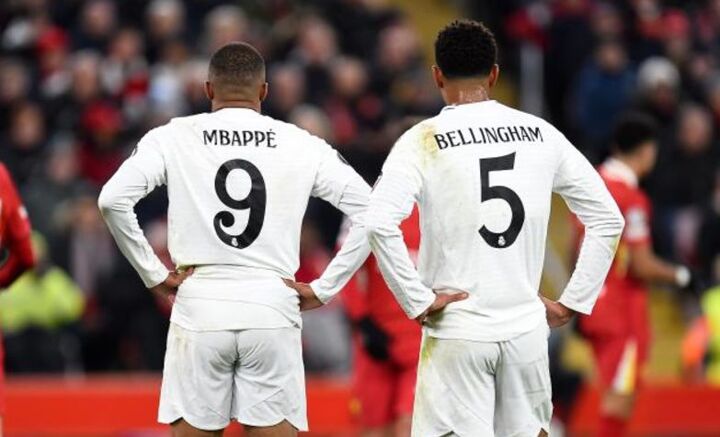
La Liga, Spain's premier football competition, has a rich history that reflects the evolution of the transfer market and its impact on Spanish football clubs. The journey began in 1929 when La Liga was founded, with clubs such as FC Barcelona and Real Madrid laying the foundation for future success.
Over the past decades, the transfer market in La Liga has evolved significantly. In the early years, transfers were modest and often involved local players moving between regional clubs. However, as Spanish football rose to global prominence, so did the scale and complexity of transfers. The introduction of foreign players in the 1980s marked a turning point; clubs began to invest heavily in international talent to increase their competitiveness.
The 21st century saw an explosion in transfer fees and player movements within La Liga. Notable transfers such as Zinedine Zidane's move to Real Madrid for a then world record fee in 2001 exemplified this trend. Furthermore, Spanish football clubs began to attract some of the best talent from around the world, further enriching La Liga's competitive landscape.
Today, understanding this football transfer timeline is crucial to appreciating how La Liga has transformed into one of the most exciting leagues in the world. The continued evolution of player transfers not only shapes team dynamics, but also influences fan engagement and club revenues in Spain's vibrant football culture.
In the ever-evolving football landscape, transfers of key players often serve as pivotal moments that can reshape teams and leagues. This section takes an in-depth look at some of the best player transfers to have taken place in recent seasons, highlighting notable signings who have had a significant impact in La Liga.
One of the most notable transfer stories is that of Lionel Messi's move to Paris Saint-Germain, which sent shockwaves through the football world. However, his departure from Barcelona opened up opportunities for other players to step into the spotlight. Players like Memphis Depay and Antoine Griezmann have since become an integral part of their respective teams, showcasing their skills and contributing to exciting matches.
Another impactful transfer was that of David Alaba to Real Madrid. His versatility and experience have significantly strengthened Madrid's defense, making him one of the standout signings in recent history. Furthermore, young talents such as Pedri and Ansu Fati are emerging as future stars in La Liga, having been nurtured by strategic transfers aimed at building a competitive squad.
Analyzing these top transfers reveals not only how individual players can improve a team's performance, but also how clubs' strategic decisions can lead to long-term success. As we continue to witness these groundbreaking moves, it is becoming clear that player transfers are not just about numbers; they represent a mix of ambition, strategy and vision within the sport.
In recent years, strategic signings have become a crucial element in reshaping club fortunes within La Liga. Clubs are increasingly adopting targeted club strategies that emphasize rebuilding teams through transfers, which not only increases their competitive advantage but also has a significant impact on the league standings.
The financial consequences of these signings cannot be underestimated. Clubs often use innovative financial tools, such as virtual credit cards, to facilitate these transactions while managing their budgets effectively. This approach allows them to bring in high-profile players without jeopardizing their financial stability.
As clubs invest wisely in talent acquisition, the overall dynamics of La Liga are changing. Teams that once struggled at the bottom of the table are now climbing the ranks, illustrating how smart transfer strategies can lead to better performances and greater fan engagement. The ripple effect of these purchases is evident not only on the pitch, but also in merchandise sales and increased matchday revenues as clubs experience a resurgence in popularity and competitiveness.
In the world of sports, big player transfers often generate significant fan involvement, leading to varied reactions that can have a major impact on match attendance. When a beloved player joins a team or a star athlete makes a high-profile move, fans flock to social media platforms to express their excitement or disappointment. These reactions can create a buzz that translates into an increased number of matches, as supporters are eager to witness the debut of their new favorite players.
The impact of these transfers extends beyond ticket sales; Merchandise sales typically see a notable increase as fans rush to buy jerseys and memorabilia featuring the newcomers. This increase in merchandise sales is often driven by emotional connections and the desire to show support for the team's newest additions.
Additionally, clubs have recognized the potential of using social media comments to increase fan engagement. By actively promoting new signings and encouraging online discussions between fans, teams can foster a sense of community and anticipation for upcoming matches. The combination of increased excitement around player transfers and strategic marketing efforts can lead to packed stadiums and an overall boost in matchday atmosphere.
As we look ahead to the future of La Liga, the upcoming transfer windows are poised to play a crucial role in shaping the landscape of Spanish football. As clubs increasingly focus on financial sustainability and youth development, future transfer trends in Spain are likely to emphasize strategic investments in emerging talent rather than high-profile signings.
Several young stars are already making waves ahead of the 2024/2025 season and are expected to be at the forefront of La Liga's evolution. Players like FC Barcelona's Pedri and Gavi have shown enormous potential and fascinate fans with their skills and vision on the pitch. Furthermore, clubs such as Real Madrid and Atlético Madrid are investing heavily in their youth academies, nurturing talents who could become household names.
Predictions of emerging talent suggest that players from lower divisions or international competitions will find their way into La Liga as clubs look for new prospects. Keep an eye on promising youngsters from South America and Africa, as they often bring unique playing styles that can enrich Spanish football. As these young stars develop alongside seasoned professionals, they will undoubtedly influence both club performance and league competitiveness in the years to come.